Sow the seed before the need.
Give Tenday your market day. That is all it needs. It works back to the crop, the tray count, the grams of seed and the morning you have to start.
30 days. No card. The demo needs no signup at all.
- Deliverthe promiseTue 11 Aug
- Cutmorning ofTue 11 Aug
- Under light6 daysWed 05 Aug
- Blackout4 days, weightedSat 01 Aug
- Sow432 g on 8 traysSat 01 Aug
- Soak12 hoursFri 31 Jul
Example schedule. Your crop timings, not a textbook average. Seed 432 g, expect 4.55 kg.

The promised date is the input.
You tell Tenday what is owed and when. It works back through the whole cycle and hands you a sow date, a seed weight and a tray count.
- Soak12 h
- Sowday 0
- Blackout4 days
- Light6 days
- Cutday 10
- Deliverthe promise
Tenday computes in this direction, from the promise back to the seed.
What a week actually looks like.
Tenday is not a calendar you fill in and not a spreadsheet with nicer fonts. It decides what to sow from what you have sold, then carries that decision all the way to the invoice.
- MONDAY
The plan reacts to what sold
A confirmed order becomes per-crop demand. Tenday nets it against every tray already growing and tells you what still has to be sown, on which day, in grams and trays. Nothing is double counted and nothing is sown twice.
- TUESDAY
Sow from a list, not from memory
The sow plan names the crop, the tray size, the tray count and the seed weight, adjusted by that lot’s germination rate. Short on seed? You knew on Monday, not standing at the bench.
- MIDWEEK
The board is the room
Every tray sits in soak, blackout, light or ready, with the day it moves next. Weights off, domes off and any ritual of your own hang off a phase as a dated task. Notes go on the batch, so next season can read them.
- THURSDAY
Cut what is actually ready
Harvest shows trays remaining, never the original tray count, so a half cut batch cannot be cut twice. Weigh in, and the yield is recorded against the lot that produced it.
- FRIDAY
Pack, deliver, invoice
Packing draws bulk oldest first into labelled units, mixes included. What went out becomes an invoice on your letterhead, with terms, discounts that record a reason, and numbering claimed under a lock so two invoices can never collide.
- SUNDAY
Find out what actually happened
This batch of sunflower against the last five, on yield per tray, days to harvest, loss rate and seed cost per gram sold. The report that changes what you do next week, not the one that files nicely.
A cut you can trace back to the seed.
Every tray carries its lot. When a restaurant asks what went into Tuesday, the answer takes one screen and not an afternoon.
- Seed lotsSupplier, cost and germination rate on every lot you buy.
- FIFO consumptionOldest stock draws first, so reorder points stay honest.
- One chainHarvest, pack and invoice all hang off the same lot.
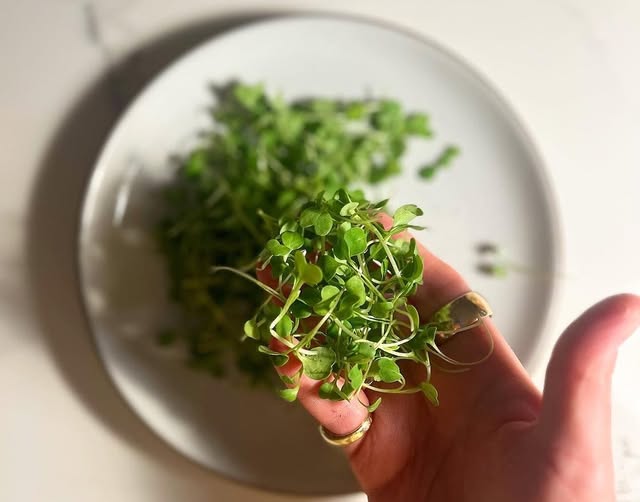
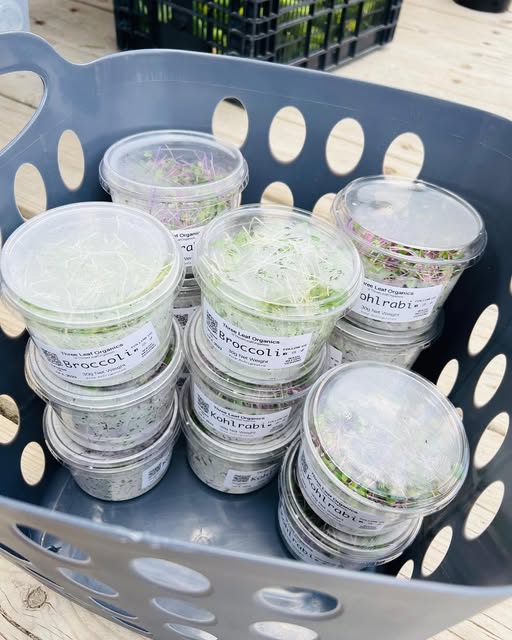
Everything a growing week actually needs.
Planning
- Demand first
- Market days, restaurant drops and standing wholesale orders become the schedule. You are not filling in a calendar.
- Reverse sow plan
- Every batch gets a sow date computed backwards from the day it was promised, per crop and per tray size.
- Seed netted against stock
- The plan states the grams you need and what you are short, before you are short.
- Your timings, not a textbook
- Blackout days, light days and expected yield are per farm. The scheduler uses your numbers, including the yield it learns from your actuals.
Growing
- Grow board
- Soak, sow, blackout, light and cut, with every tray in the room on one screen and the day it moves next.
- Tasks on a phase
- Weights off on day three, domes off on day five. Your ritual, hung off the phase with a day offset.
- Partial harvests
- Cut half a batch on Tuesday and the rest on Saturday. Trays remaining stay honest so nothing is cut twice.
- Loss recorded, not hidden
- A failed tray is an event with a reason against the batch, which is what makes the loss report worth reading.
Selling
- Lot traced to the customer
- Seed lot to sowing to harvest to pack to invoice, in the schema since the first migration rather than bolted on.
- Orders that fit a farm
- One off, standing and wholesale, with delivery dates that feed straight back into the sow plan.
- Invoices that hold up
- Discounts record a reason, issued invoices are frozen by the database itself, and corrections are credit notes.
- Cycle comparison
- This batch against the last five on yield per tray, days to harvest, loss rate and seed cost per gram sold.
Priced by the size of your operation.
All three paid plans include the whole product. They differ by how much you are growing, not by holding features back. There is a free plan underneath them, and it never runs out.
Basic
USD, billed monthly
A few racks, one market day, a short customer list.
Public shop is not included on Basic.
Start 30 days freePro
USD, billed monthly
A full grow room, several market days and standing restaurant accounts.
Public shop coming soon, on a tenday.farm address or your own domain.
Start 30 days freeWholesale
USD, billed monthly
Multiple rooms or sites, standing wholesale accounts and delivery runs.
Public shop coming soon, on a tenday.farm address or your own domain.
Start 30 days freeOr grow on Free, for as long as you like.
No card, no clock, and no trial to run out. Up to 15 live batches at a time, which is a few racks run properly. When the trial ends, this is where you land.
Start on FreeYours on Free
- The sow plan, worked backwards from what you have sold
- Crops, seed lots and tracing from seed to customer
- Customers, orders and demand
- The grow board, harvest, bulk and packing
Needs a paid plan
- Raising and issuing invoices
- The market register and merch
- Selling subscription boxes
- The full planning, growing, harvest and sales toolkit
- Seed lot tracing from seed to customer
- Reports and cycle comparison
- Works on the phone in the grow room
All prices in USD. 30 days free on every plan, no card to start.
What a sceptical grower asks first.
The direct answers, not the reassuring ones.
- What happens when the 30 days end?
- You move to the Free plan, not out of the product. Nothing you have entered goes away, and you carry on planning, sowing, harvesting and taking orders with up to 15 live batches at a time. Invoicing, the market register and box schemes are the parts that need a paid plan.
- Is my farm's data separate from everyone else's?
- Yes. Every farm's rows are walled off inside the database itself, with row level security enabled and enforced on every table that holds them, not just checked by the application on the way in. That isolation is proven by an automated test that runs as the same limited account the API connects with, not as an administrator who would pass regardless.
- Can I get my data out if I leave?
- Yes. Reports exports your batch and cycle history to CSV whenever you want it, and neither a lapsed trial nor a cancelled subscription changes that. Both leave you on the Free plan with your data intact.
- Can I bring in what I already track?
- If you are already tracking crops, seed and products elsewhere, tell us and we bring it over with you: matched against the crop library, with anything that does not already exist created as your own. It has already moved a full working setup in one pass. Right now that is a step we do together, not yet a button in the app.
New, and honest about it.
Tenday is early. There is no wall of customer logos on this page because there are no customers yet, and inventing them would be the first thing you could not trust.
What there is: a working product, built against a real microgreen operation by the person who ran it. If you grow this crop for money and you are tired of planning it on paper, you are exactly who it is for.
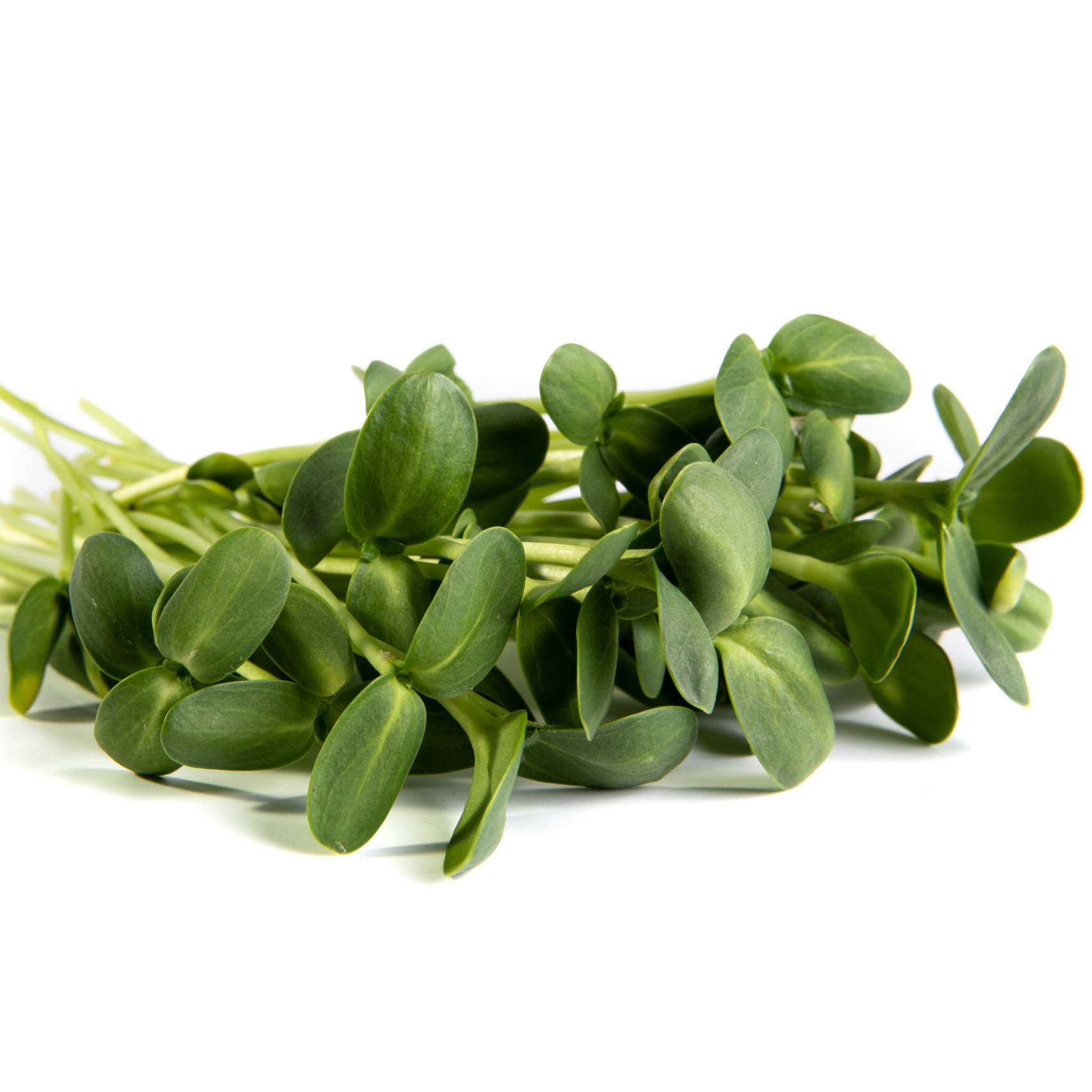
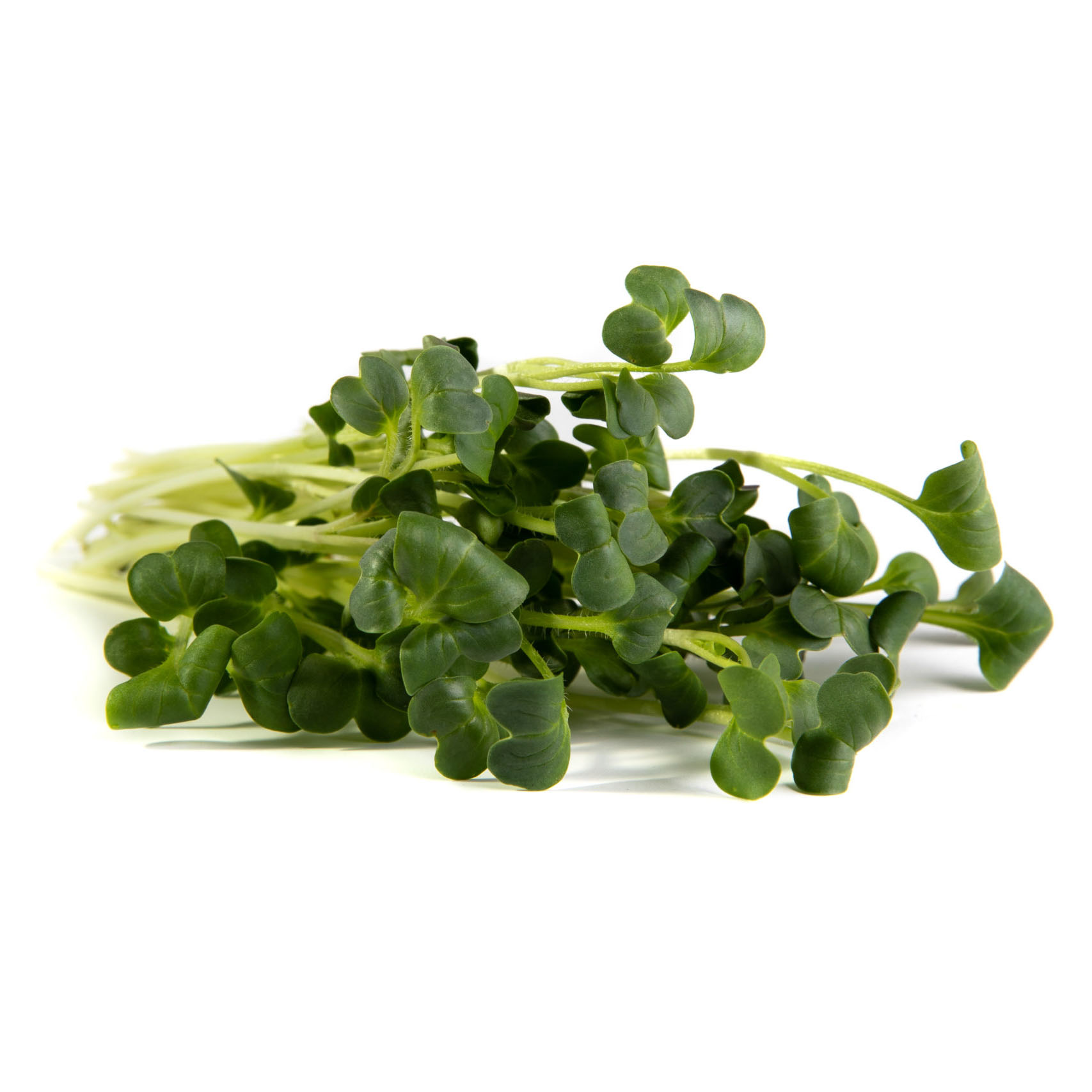
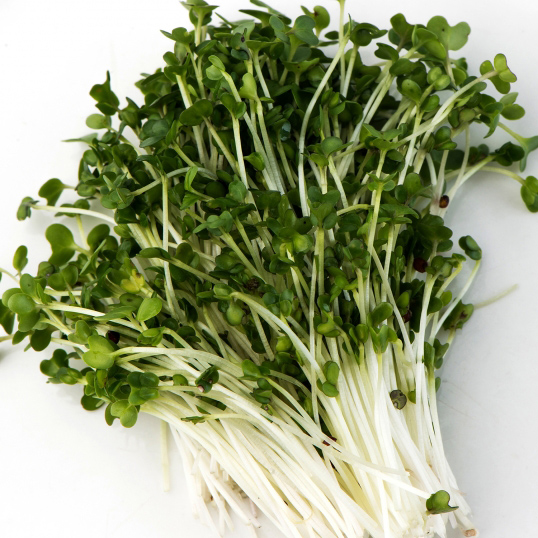
Shipped in the crop catalog, with your own timings layered on top.